

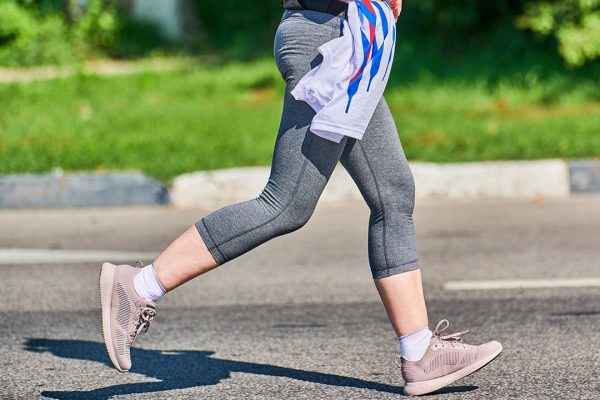
While most gait analyses focus on the lower extremities, gait is a whole-body motion and is thus affected by musculoskeletal diseases of the spine and upper extremities. This truth is laid bare within Maeda’s analysis.
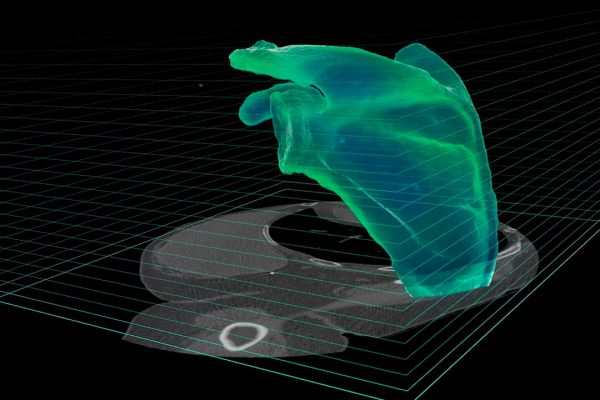
Does Navigation Improve Implant Placement Accuracy in Reverse Total Shoulder Arthroplasty?
The study’s strengths include its analysis of results of a single surgeon with examination of complications, outcomes, and radiographic positioning of the implant, including the use of postoperative CT scans.
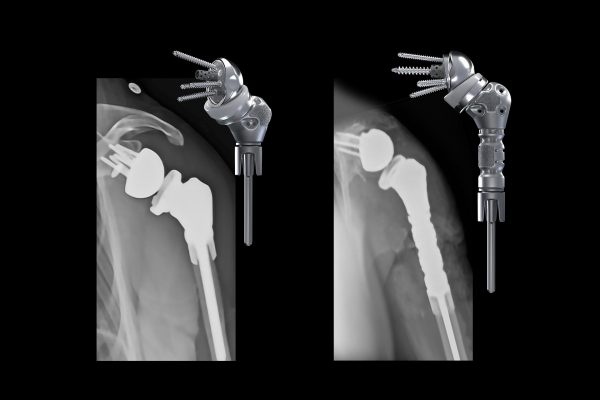
Reimagining Shoulder Reconstruction: Reverse Humeral Reconstruction Prosthesis Versus Allograft-Prosthetic Composite
Successful shoulder arthroplasty depends heavily on intact proximal humeral bone. Without proximal humeral bone, surgeons lose reliable implant fixation including adequate rotational stability and critical soft tissue attachment sites. This is where proximal humeral reconstruction strategies come into play.

aTSA vs. rTSA for Cuff-Intact OA with No Glenoid Deformity: Time to Rethink the Reverse
In my experience, aTSA in these A1/B1 cases is still the reliable choice, with predictably excellent outcomes and motion with better rotation and quicker rehab. When the shoulder is substantially decentered, this study provides comfort for those considering rTSA in borderline case, but this comes at a cost of abduction and external rotation of the shoulder.
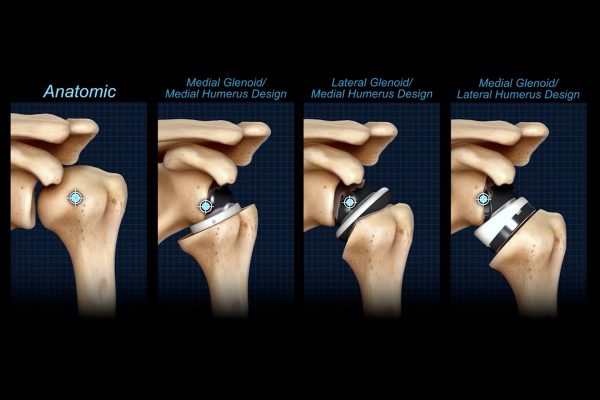
The effect of reverse shoulder arthroplasty design and surgical indications on deltoid and rotator cuff muscle length
Within this study, 10 arthroplasty surgeons planned 20 arthroplasties (10 glenohumeral osteoarthritis and 10 rotator cuff tear arthropathy) with three prosthesis configurations.
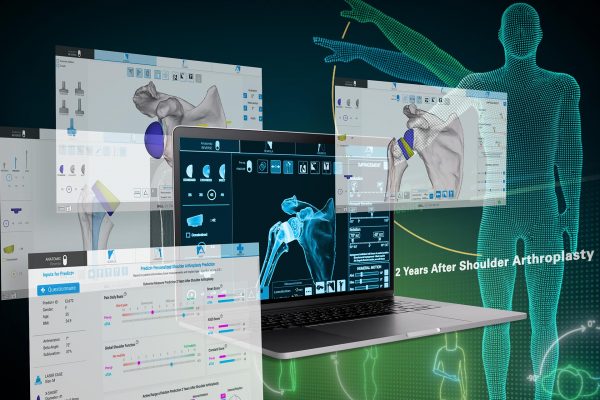
Comparing 3D Computer-Assisted Planning With and Without Patient-Specific Instrumentation
Computer navigation has been shown to be most effective while robotics, which shows promise, is relatively new to the field.5,6 Computer navigation has over six years of clinical use, offering improved precision with minimal additional cost or operative time.7
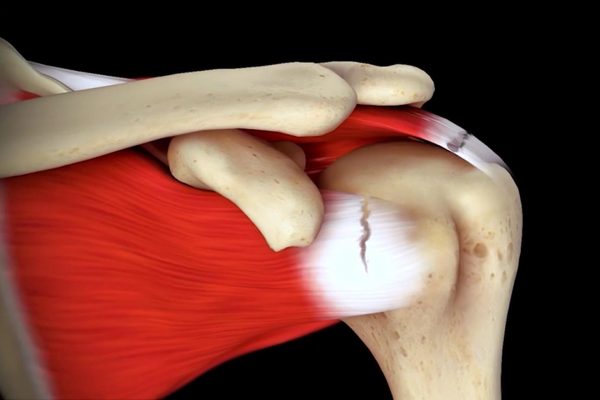
Optimizing distalization and lateralization in reverse arthroplasty for cuff arthropathy
Regarding the distalization of the implant, it was shown that there were effectively no upper limits of DSA on outcome, meaning that the more distal the better, at least in this study.

Shoulder Arthroplasty Failures: What Role Does Malposition Play?
While technological advances such as PSI, navigation, and AR/MR have been shown to improve glenoid component position, this article highlights the need to further improve component position technologies for both the glenoid and humerus.
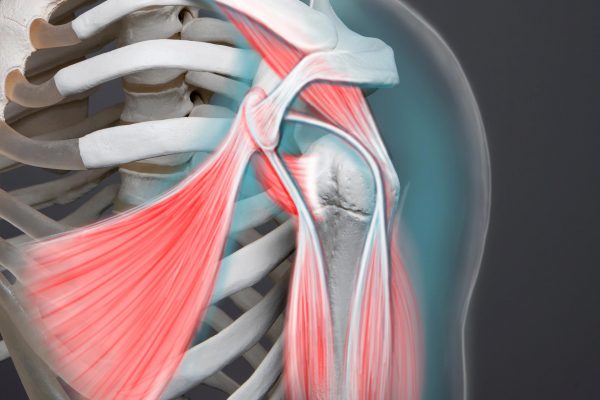
Pectoralis Minor Tenotomy in Shoulder Arthroplasty: A Novel Therapeutic Approach
While further studies are certainly imperative, in the absence of any observed short-term complications, pectoralis minor tenotomy appears to be a safe and potentially effective mitigation strategy for addressing distal neuropathy and improving scapulohumeral rhythm in reverse shoulder arthroplasty procedures.
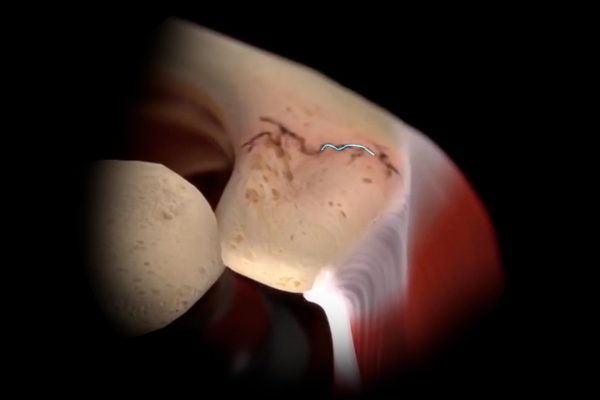
Review of Acromial and Scapular Fractures After Reverse Shoulder Arthroplasty: Inlay vs. Onlay Component Designs
Study of 3,018 reverse shoulders finds no strong link between inlay or onlay designs and risk of acromial or scapular fractures.