


This paper provides a valid perspective on the need to balance short term benefits of reverse TSA from a speed of rehabilitation standpoint with the potential for greater mid-term complication rates in the first 5 years.

Decision Making in Shoulder Arthroplasty
What are safe age limits for anatomic and reverse total shoulder arthroplasties without compromising outcomes or increasing complications?

Proceed with caution! Performing shoulder arthroplasty in pre-operative opioid dependent patients
Surgeons now need to think outside of the box on ways to mitigate postoperative complications while managing postoperative pain.

Revision reverse shoulder arthroplasty for the management of baseplate failure: an analysis of 676 revision shoulder arthroplasty procedures
This study is a look at a relatively uncommon complication of reverse shoulder arthroplasty: glenoid-sided baseplate failure.

Anatomic Total Shoulder Arthroplasty for Primary Glenohumeral Osteoarthritis is Associated with Excellent Outcomes and Low Revision Rates in the Elderly
Dr. Gilot explores the clinical data supporting the use of Total Shoulder Arthroplasty in patients over 70.

Clinical Outcomes after Reverse Shoulder Arthroplasty in Patients 60 Years Old and Younger; Medium-Term Results
Dr. Gilot assesses the mid-term outcomes following reverse shoulder arthroplasty in patients sixty years old or younger.
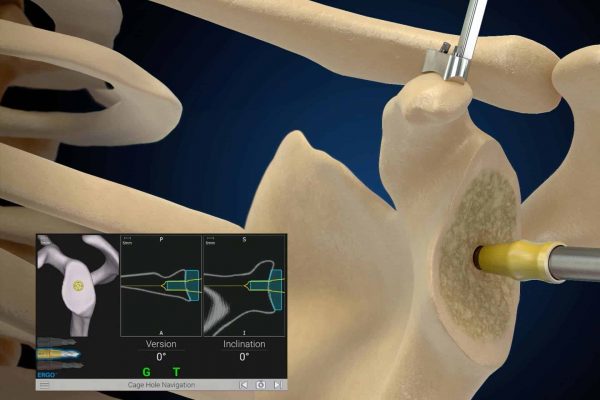
Using GPS to assess glenoid morphology in reverse shoulder arthroplasty: Correlation to manual measurements and effects on final implant selection
Jaicharan Iyengar, MD, discusses the use of preoperative planning and GPS navigation for glenoid evaluation and placement in reverse shoulder arthroplasty.
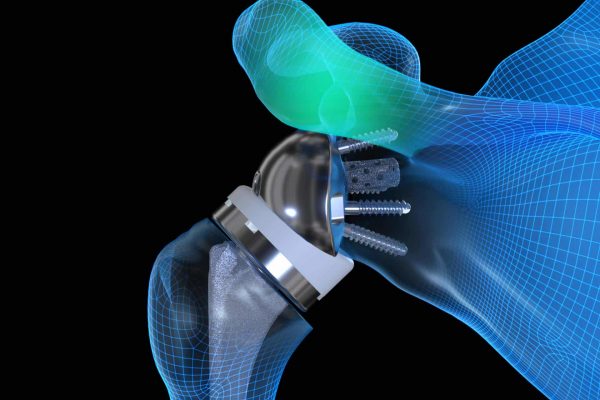
Stress Fractures Remain a Complication of Reverse Shoulder Arthroplasty: An Explanation of the Treatment Options and Effects
Data suggests that the Equinoxe medial glenoid, lateral humerus design has one of the lowest incidences of fracture.
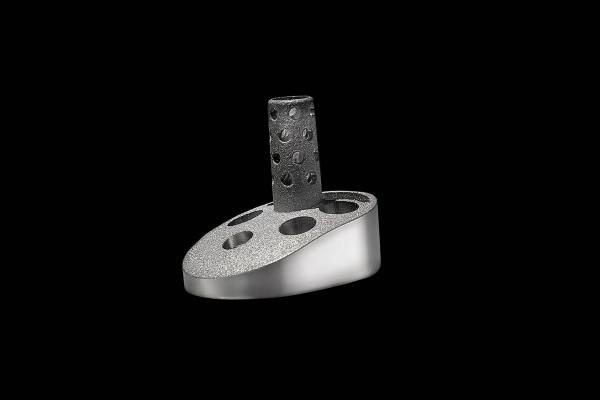
Augmented Baseplates: A Game-Changer in Glenoid Deformity Management
Augmented baseplates have revolutionized the way in which glenoid deformities are handled

Another Perspective: Patients Who Have Undergone Total Shoulder Arthroplasty Prefer Greater Surgeon Involvement In Shared Decision Making
This study was to evaluate overall patient preference for SDM and determine demographic and socioeconomic factors related to SDM preference in those undergoing total shoulder arthroplasty.