One of the Most Studied Shoulder Systems

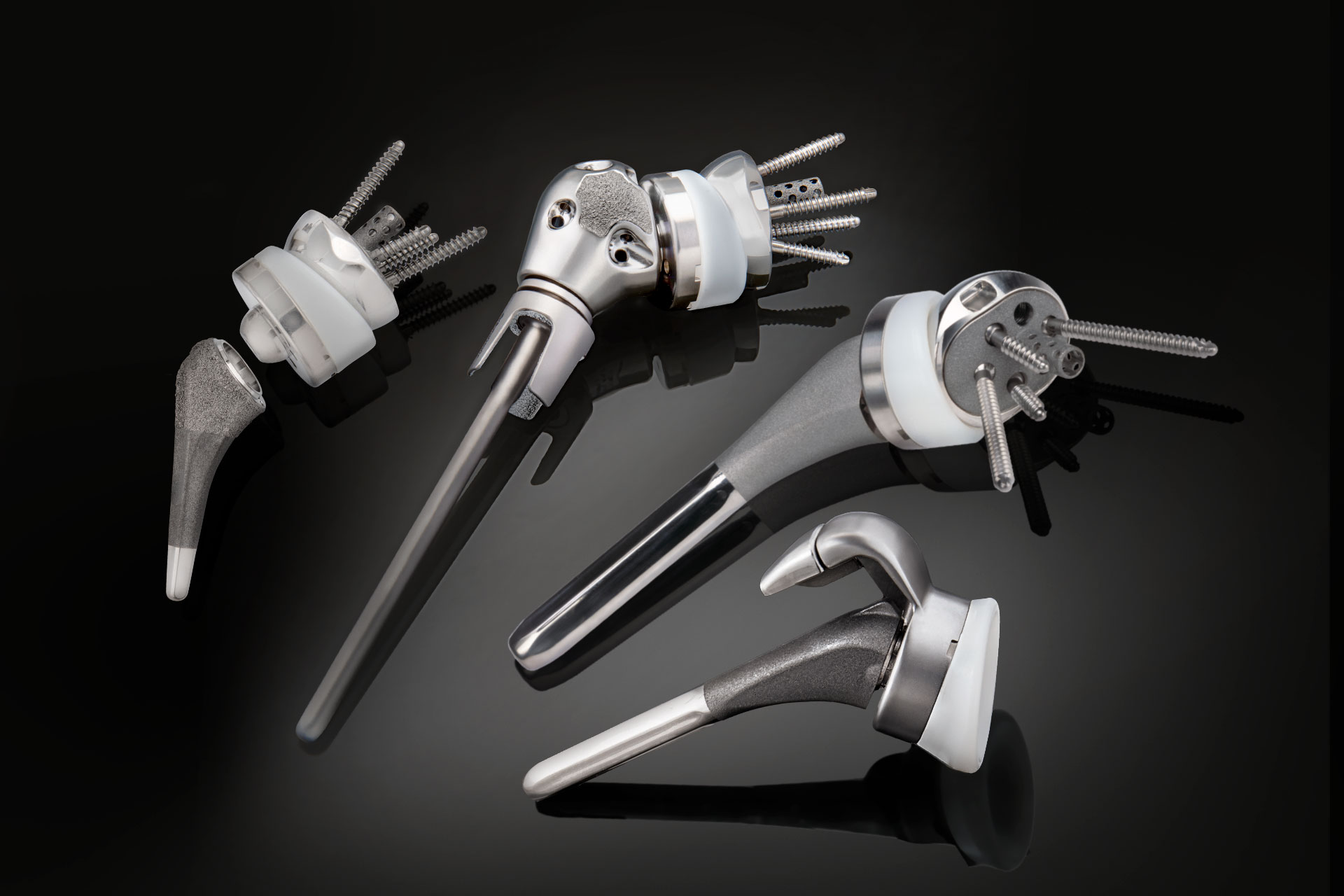
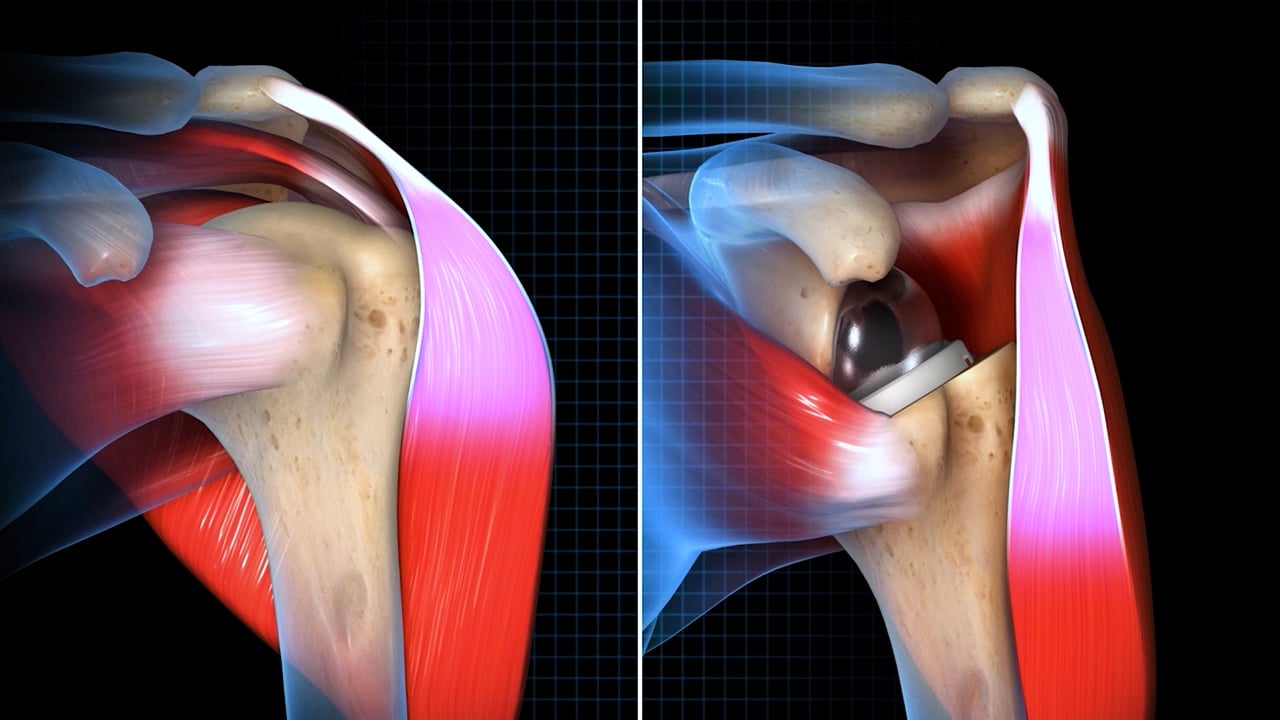
Equinoxe Reverse Shoulder System provides several first-to-market implant solutions designed to solve unmet clinical challenges for reverse shoulder arthroplasty. Its groundbreaking design philosophy lateralizes the humerus, which is intended to create a more anatomic deltoid wrap, which aids stability, and better tensions the remaining cuff to improve active rotation.1-2

The Equinoxe Reverse System has been helping patients for almost 20 years. From straightforward to challenging and everything in between, the Equinoxe Reverse System offers biomechanically designed rTSA solutions.

Reverse

0%
Instability3

Acromion/Scapula
Fracture Rate

0%
Equinoxe Reverse: Humeral Lateralization4,5
0x
Improvement in External Rotation Post-Op3
00%
Notching6

Equinoxe Reverse Shoulder System Features and Benefits

Humeral Options

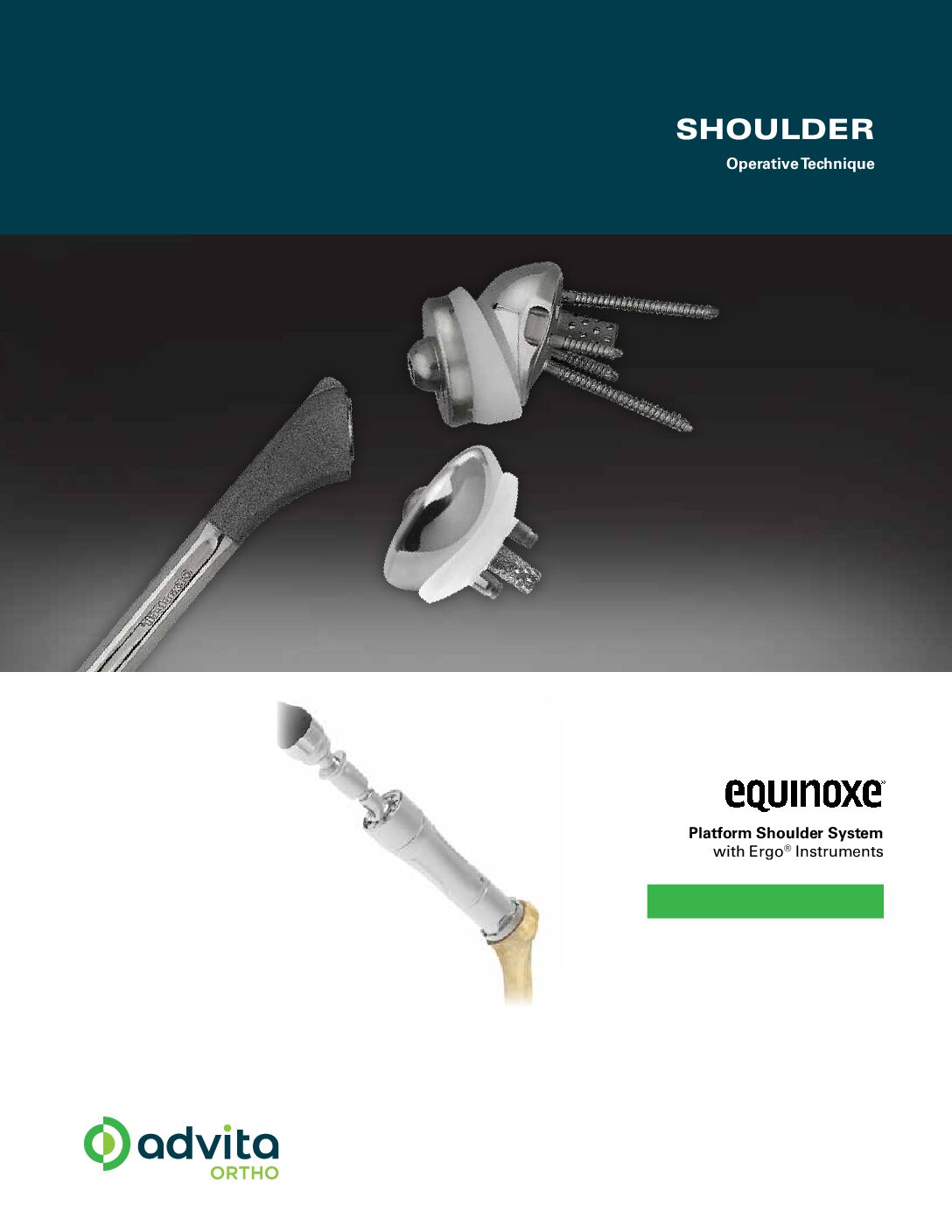
Equinoxe Preserve Stem
  • Shorter platform stem designed to preserve distal humeral bone
  • Polished distal tip designed to facilitate stem removal if necessary
  • Full length fins designed for rotational stability
Platform Stem
  • Original stem design provides intraoperative flexibility and ability to convert a well-fixed stem to a reverse without stem removal
Equinoxe Humeral Reconstruction Prosthesis**
  • First-to-market biomechanically designed humeral reconstruction system
  • Designed to provide a unique and stable solution for complex and challenging cases with humeral bone loss
  • A two-year outcomes study showed significant improvements in range of motion, pain and outcome scores, with no cases of
    humeral component loosening.7
Humeral Augmented Tray
  • Our second solution for proximal humeral bone loss
  • Designed to increase humeral lateralization and deltoid wrapping and improve joint mechanics and stability

Glenoid Options

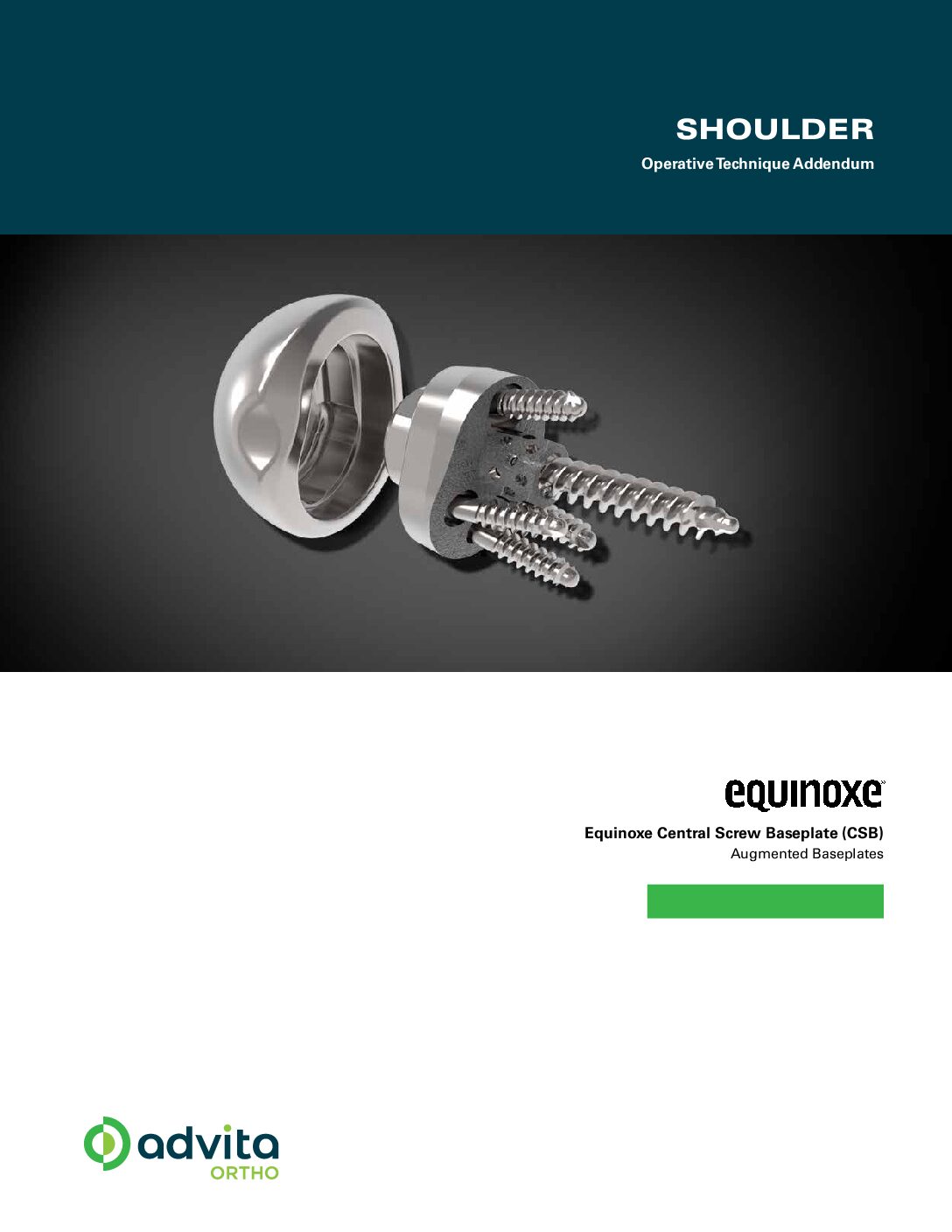
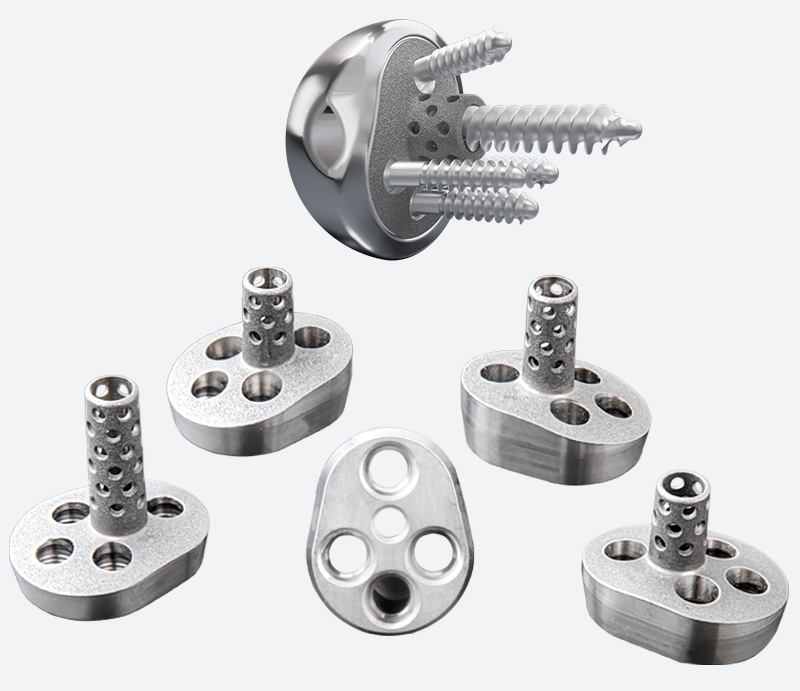
Central Screw Baseplate
  • Used in primary and revision cases
  • Curved, anatomic shape designed for bone preservation8
  • Central screw designed to achieve initial fixation1
  • Unique bone cage is designed to promote bone-through growth
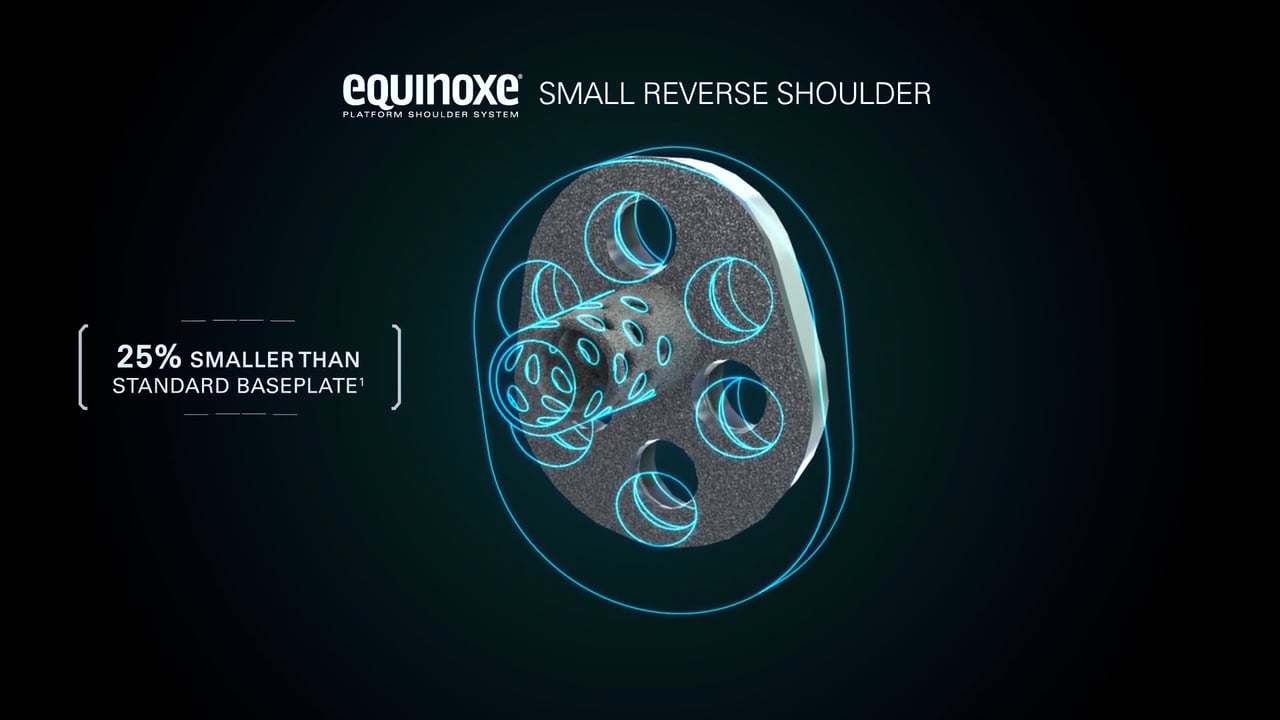
  • 25% smaller than our standard baseplate design
Small Reverse Baseplates
  • Based on a proprietary CT analysis
  • Designed to treat patients with small glenohumeral anatomy
  • 25% smaller than our standard baseplate design
Superior and Posterior Augments
  • First to offer reverse augments
  • Designed to preserve bone10 and avoid medializing the joint line by building up the eroded side rather than reaming to correct the deficiency
  • Features unique bone cage designed to provide initial fixation and allow for bone through-growth 11-12

Active Intelligence

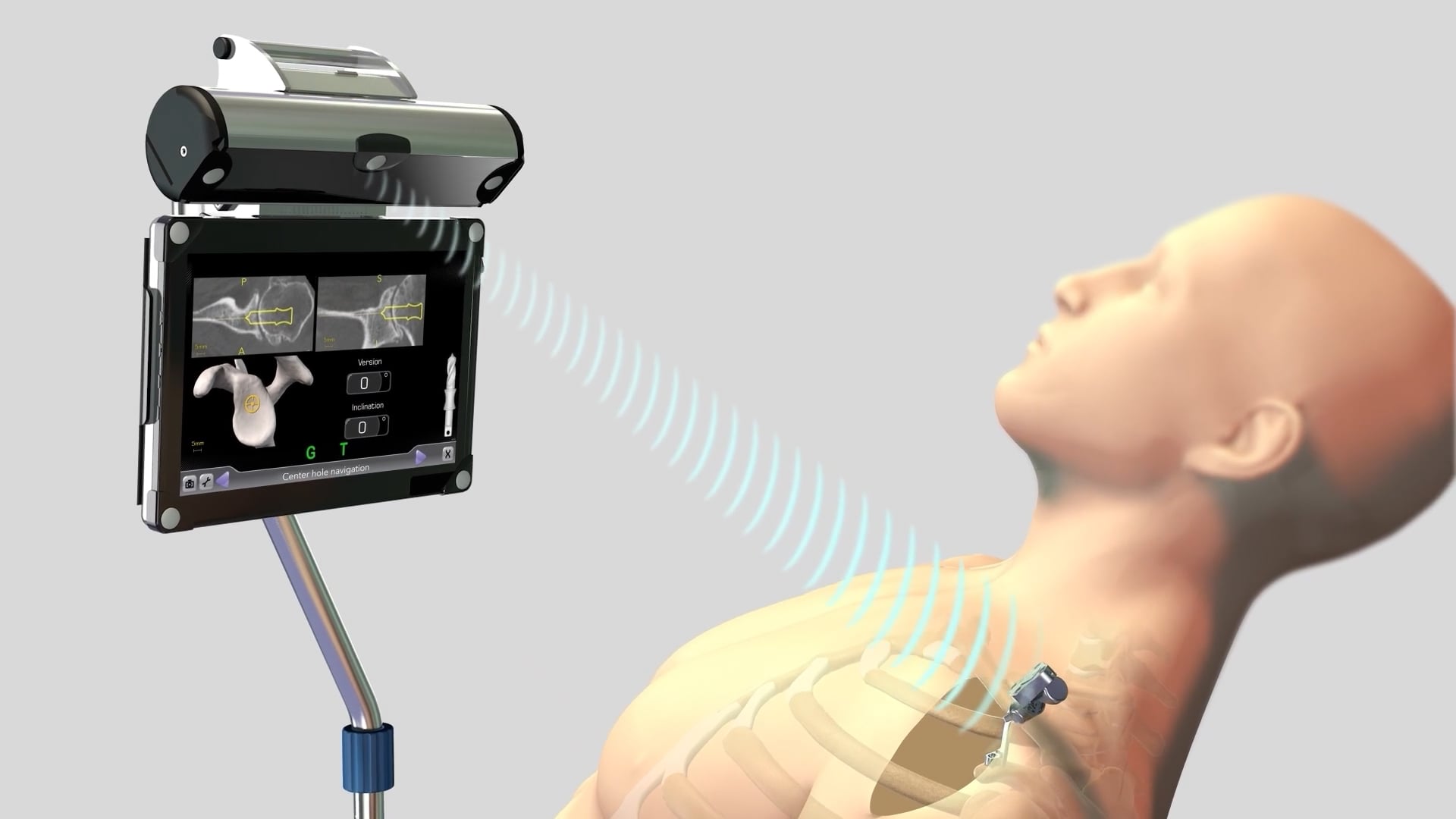
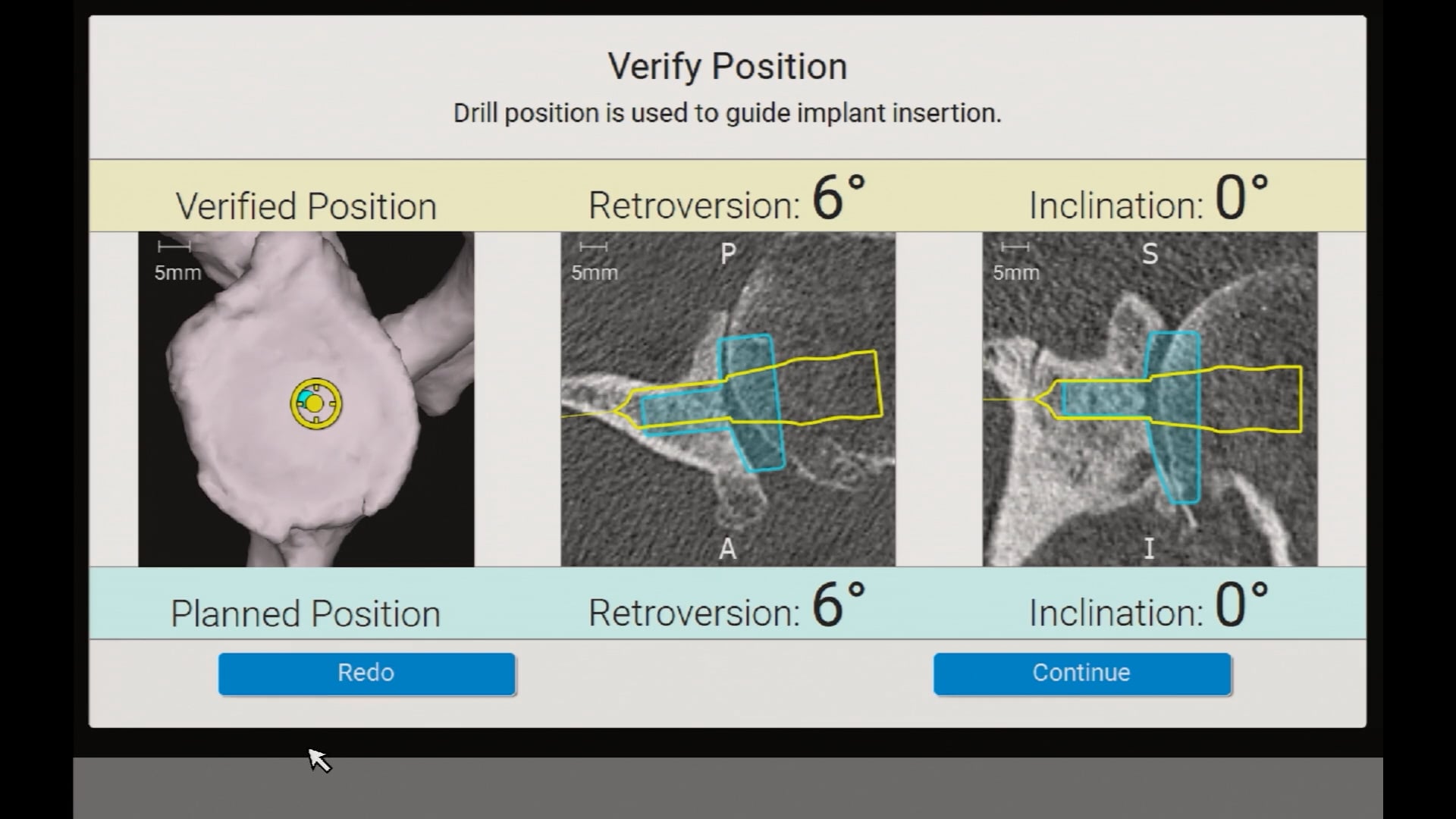
Our dynamic ecosystem of enabling technologies and smart solutions empower you with data-rich, low-cost solutions to help improve patient outcomes.
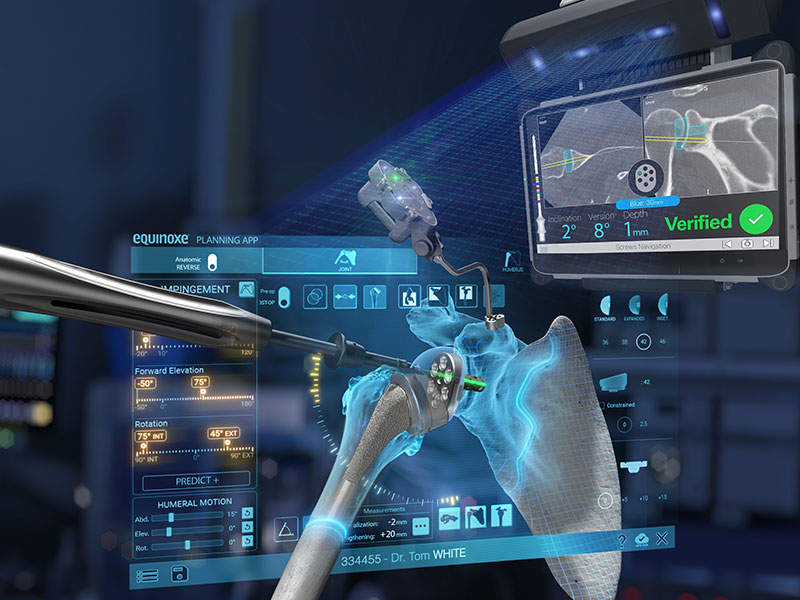
Equinoxe Reverse Shoulder System GPS Shoulder Active Intelligence AI
Compatibility

The Reverse Shoulder System is compatible with the:

Predict+ has not received FDA marketing authorization.

Equinoxe Reverse Shoulder System Resources

Filters
Reset
Filters
Reset
  1. Flurin, P. et al. Comparison of Outcomes Using Anatomic and Reverse Total Shoulder Arthroplasty. Bulletin of the Hospital for Joint Diseases. 2013; Vol 71, Supp 2.
  2. Roche, C. et al. Impact of Inferior Glenoid Tilt, Humeral Retroversion And Bone Grafting on Muscle Length and Deltoid Wrapping in Reverse Shoulder Arthroplasty. Bulletin of the Hospital for Joint Diseases. 71(4):284-93. 2013.
  3. Friedman, R. et al. Comparison of reverse total shoulder arthroplasty outcomes with and without subscapularis repair. J Shoulder Elbow Surg. Apr;26(4):662-668. 2017.
  4. Routman H. et al. Acromial and Scapular Fractures After Reverse Total Shoulder Arthroplasty with a Medialized Glenoid and Lateralized Humeral Implant: An Analysis of Outcomes and Risk Factors. J Bone Joint Surg Am. 2020 Oct 7;102(19):1724-1733.
  5. Roche, C. et al. Impact of accumulating risk factors on the acromial and scapular fracture rate after reverse total shoulder arthroplasty with a medialized glenoid-lateralized humerus onlay prosthesis. J Shoulder Elbow Surg. 2023. Jul;32(7):1465-1475. doi: 10.1016/j. jse.2022.12.026. 4
  6. Mollon, B. et al. Impact of scapular notching on clinical outcomes after reverse total shoulder arthroplasty: an analysis of 476 shoulders. J Shoulder Elbow Surg. 26(7), 1253–1261. 2017.
  7. Srinivasan, R. et al. Two-year outcomes of the reverse humeral reconstruction prosthesis. J Shoulder Elbow Surg. 2023 Jun;32(6S):S75-S84. doi: 10.1016/j.jse.2023.01.022. Epub 2023 Feb 18. PMID: 36804025.
  8. Valderrabano, V. et al. Comparison of bone removed with reverse total shoulder arthroplasty. Bull Hosp Jt Dis (2013) 2013;71(Suppl 2):S36-40.
  9. Roche, C. et al. Impact of screw length and screw quantity on reverse total shoulder arthroplasty glenoid fixation for 2 different sizes of glenoid baseplates. JSES Open Access. 2019 Nov 1;3(4):296-303. doi: 10.1016/j.jses.2019.08.006. PMID: 31891029; PMCID: PMC6928260.
  10. Roche, C. et al. Computer Assessment of Scapula Cortical and Cancellous Bone Removal when Correcting a Posterior Defect Using 3 Different Glenoid Prosthesis Designs. Trans. of the 59th Annual ORS Meeting. 2013.
  11. Roche, C. et al. Impact of Scapular Notching on Reverse Shoulder Glenoid Fixation. Trans. of the 59th Annual ORS Meeting. 2013.
  12. Roche, C. et al. A Comparison of Glenoid Fixation using Two Different Reverse Shoulder Designs with an Equivalent Center of Rotation in a Low and High Density Bone Substitute. Trans. of the 59th Annual ORS Meeting. 2013.

**The Equinoxe Humeral Reconstruction Prosthesis is not indicated for use with the reverse shoulder components in oncology applications.

These products are manufactured by Exactech, Inc. and distributed by Advita Ortho, LLC.