

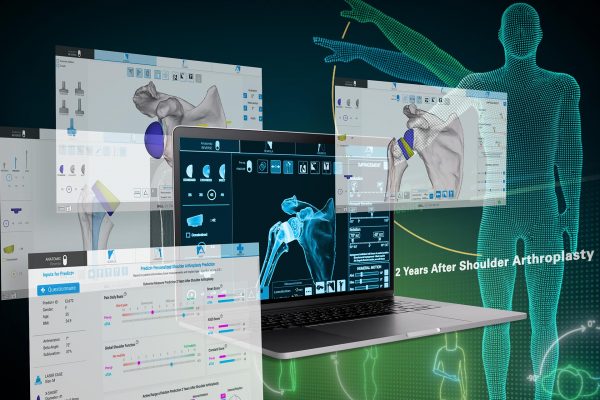
Computer navigation has been shown to be most effective while robotics, which shows promise, is relatively new to the field.5,6 Computer navigation has over six years of clinical use, offering improved precision with minimal additional cost or operative time.7

Shoulder Arthroplasty Failures: What Role Does Malposition Play?
While technological advances such as PSI, navigation, and AR/MR have been shown to improve glenoid component position, this article highlights the need to further improve component position technologies for both the glenoid and humerus.
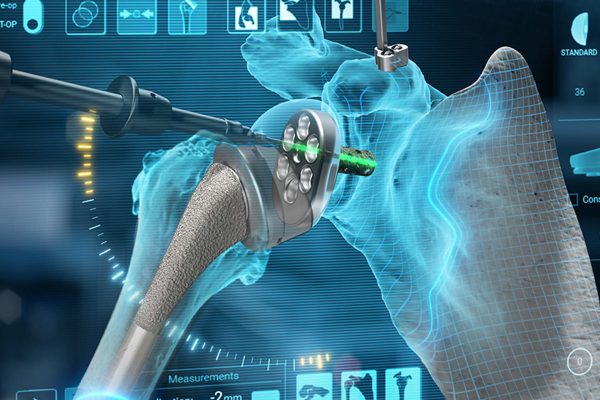
Revision reverse shoulder arthroplasty for the management of baseplate failure: an analysis of 676 revision shoulder arthroplasty procedures
This study is a look at a relatively uncommon complication of reverse shoulder arthroplasty: glenoid-sided baseplate failure.

Anatomic Total Shoulder Arthroplasty for Primary Glenohumeral Osteoarthritis is Associated with Excellent Outcomes and Low Revision Rates in the Elderly
Dr. Gilot explores the clinical data supporting the use of Total Shoulder Arthroplasty in patients over 70.

Clinical Outcomes after Reverse Shoulder Arthroplasty in Patients 60 Years Old and Younger; Medium-Term Results
Dr. Gilot assesses the mid-term outcomes following reverse shoulder arthroplasty in patients sixty years old or younger.
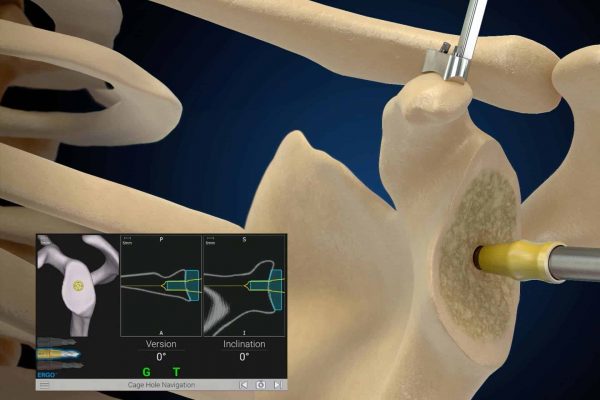
Using GPS to assess glenoid morphology in reverse shoulder arthroplasty: Correlation to manual measurements and effects on final implant selection
Jaicharan Iyengar, MD, discusses the use of preoperative planning and GPS navigation for glenoid evaluation and placement in reverse shoulder arthroplasty.
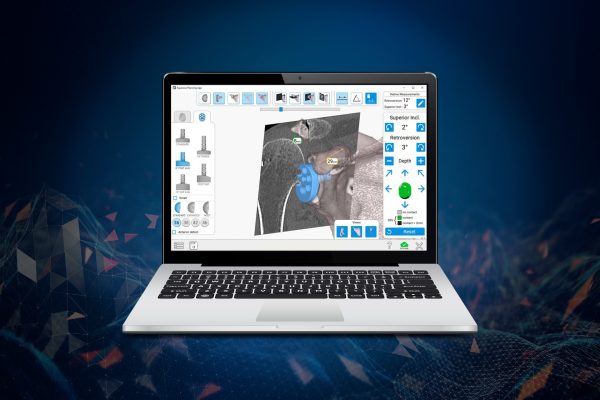
3D CT Preoperative Planning in Shoulder Arthroplasty: Differences in Industry Technician and Surgeon Planning
Given the increased use and availablilty of preoperative planning in shoulder arthroplasty, improved knowledge of how surgeons plan, the ability to execute the plan, and factors associated with planning is needed.