


A recent technology added CAOS augmentation to conventional mechanical instruments, removing the need for significant instrument relearning. The system has been shown to have a minimal learning curve and offers good usability and has been demonstrated to be non-disruptive to the surgical flow during its early adoption, reported by a subjective survey of users.

CAOS Augmented Mechanical Instrumentation Provides Versatility and Improved Accuracy During Total Knee Arthroplasty
Accurate positioning of the knee prosthesis is critical for the success of total knee arthroplasty (TKA). However, with mechanical (neutral) alignment surgical philosophy, only 70-80% of the conventional TKA cases can achieve satisfactory accuracy (within ±3° of varus/valgus relative to the mechanical axis).

CAOS TKA Provides Improved Functional Outcomes Compared to Conventional TKA
Computer-assisted orthopedic surgery (CAOS) has been shown to offer a clear advantage regarding surgical accuracy in total knee arthroplasty (TKA) with a body of research studies demonstrating a significant reduction of alignment outliers compared to conventional TKA instrumentation. However, conflicted data exists in the literature for a consensus regarding the advantage of CAOS technology in clinical outcomes or satisfaction rates for the patient.

Reverse Shoulder Biomechanics and Scapular Notching
The FDA approved the use of the reverse shoulder prosthesis in the United States in 2004, nearly 25 years following its re-debut in France.

Intraoperative Technology: Closing the Knowledge Gap for rTSA
Instability and scapular stress fractures remain two of the most common complications after reverse Total Shoulder Arthroplasty (rTSA), both of which may compromise outcomes and require further surgery.

Acromial Fracture: An Uncommon but Increasingly Preventable Complication After Reverse Shoulder Replacement
The reverse shoulder prosthesis was introduced in France in the 1980s and was FDA-approved for use in the United States in 2004. Since that time, it has revolutionized the field of shoulder replacement.

“Reversomania” – Are We Operating Too Soon?
When Dr. Paul Grammont introduced the reverse total shoulder arthroplasty (rTSA) in the late 1980s/early 1990s, it was a revolutionary treatment for a previously unsolved clinical condition, rotator cuff tear arthropathy.

Computer Navigation in Shoulder Arthroplasty: The Learning Curve is Short
Accurate placement of the glenoid component in reverse total shoulder arthroplasty (rTSA) is important to reduce component loosening, scapular notching, instability and to maximize impingement-free range of motion.
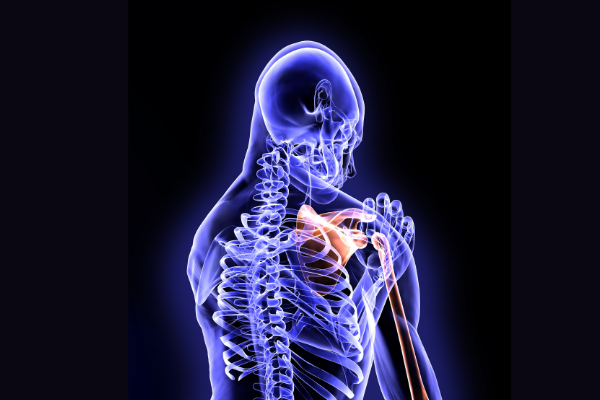
The Evolution of Innovation in Humeral Implant Options: Two Surgeons’ Case Reviews
Throughout the field of orthopedics, there is a trend moving toward preserving as much of the patient’s natural anatomy as possible. Likewise, having access to a wide range of bone conserving implants affords the surgeon the opportunity to treat each patient with respect to anatomical preservation.
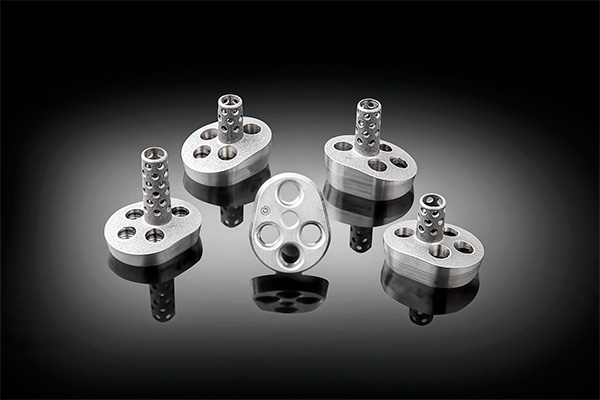
State-of-the-Art in Reverse Shoulder Arthroplasty: A New Small Baseplate System Brings rTSA to a New Level
Shoulder arthroplasty is currently the most effective means of treating end-stage glenohumeral osteoarthritis in modern medicine.