Return to Newsroom

Press Release

A Decade Matters: Celebrating 10 Years of GPS Shoulder

A milestone built on surgeon partnership, precision and progress, with continued innovation advancing the future of shoulder arthroplasty.

Share this article
A Decade Matters: Celebrating 10 Years of GPS Shoulder

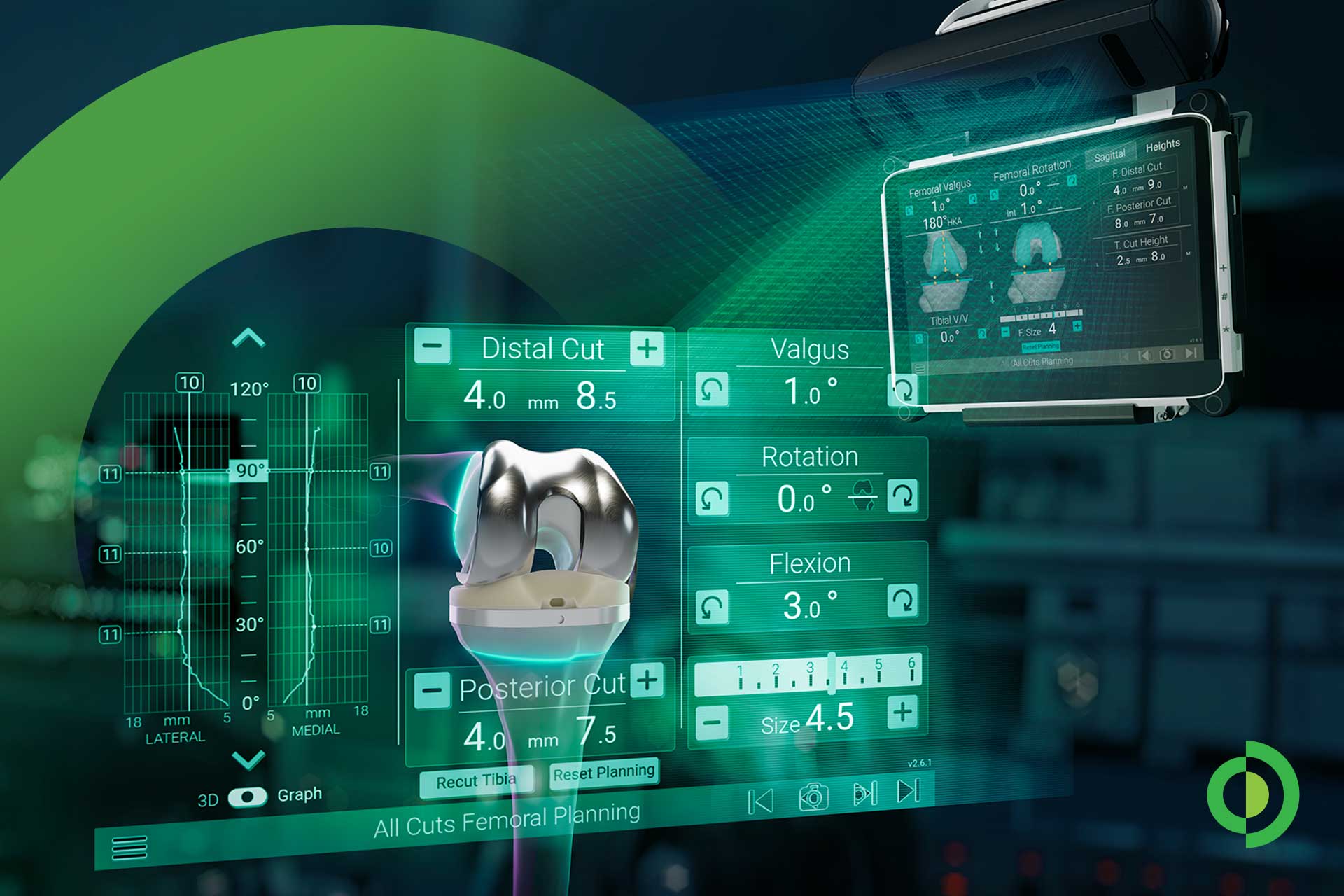
Ten years ago, GPS Shoulder pioneered navigation in shoulder surgery as the first and only technology of its kind, bringing the preoperative plan into the surgical workflow in a practical, meaningful way.

Today, Advita GPS™ has surpassed 100,000 cases worldwide.

For Advita Ortho, this milestone represents a decade of surgeon partnership and continuous innovation, unified by a focus on what matters most.

Built By Surgeons, For Surgeons

From the beginning, GPS Shoulder has been shaped by surgeon collaboration. That collaboration helped build a technology designed not only to support precision, but also to fit seamlessly into the demands of operating rooms in hospitals and ASCs alike.

GPS Shoulder also led the industry in rethinking how surgeons access technology. As the first navigation technology offered without capital cost, GPS helped remove a significant barrier to adoption. The model put navigation directly into surgeons’ hands in the sterile field, with real-time guidance at their fingertips.

Through GPS Shoulder, surgeons can experience a time-neutral workflow1-2 and perform anatomical acquisitions in under two minutes, supporting efficiency without disrupting the flow of the procedure.

More than half of Advita’s global shoulder procedures now use GPS, reflecting the power of a decade of surgeon experience with the platform and its growing adoption.

>0k
GPS Shoulder Cases Worldwide
Zero
Capital Cost
<0
Minute Anatomical Acquisitions
0+
Software Updates Driven by Surgeon Feedback

10 Years of Continuous Innovation

GPS Shoulder has never been a static technology. As a connective layer across Advita’s shoulder implant portfolio, it has evolved alongside the needs of surgeon and the latest advancements in shoulder arthroplasty.

More than 15 software updates over the past decade have been driven by surgeon feedback, with each evolution focused on making navigation more intuitive and more efficient.

Over the past year alone, GPS Shoulder has continued to advance with the introduction of the next generation of reusable active trackers and new capabilities designed to further support surgeons across the surgical workflow. GPS Shoulder also supported the first-ever navigated surgery with the company’s Central Screw Baseplate (CSB) implant, further expanding the connection between technology and Advita’s shoulder portfolio.


...GPS Shoulder continues to gain momentum among Advita shoulder surgeons and set the standard for what enabling technology can bring to shoulder surgery...
Laurent AngibaudSenior Vice President of Advanced Surgical Technologies


“By continuing to integrate our implant portfolio with our digital technology platform, GPS Shoulder continues to gain momentum among Advita shoulder surgeons and set the standard for what enabling technology can bring to shoulder surgery,” said Laurent Angibaud, Senior Vice President of Advanced Surgical Technologies.

A Decade of Clinical Experience

Ten years and more than 80,000 cases have created a depth of clinical experience around GPS Shoulder that continues to inform its use and evolution.

Clinical evidence has demonstrated the value of intraoperative navigation, including a shorter learning curve for surgeons, improved precision in implant placement,3-4 improved outcomes,5 and lower rates of postoperative complications and revisions.5


It gives me information I can use in real time, while still allowing me to rely on my experience and judgment.
Michael O’Brien, MDOrthopedic Shoulder and Elbow Specialist


For Michael O’Brien, MD, orthopedic shoulder and elbow specialist with a background in sports medicine, incorporating GPS into his practice felt like a natural evolution.

“Technology has always been part of how I practice, so incorporating GPS felt very intuitive,” he said. “It gives me information I can use in real time, while still allowing me to rely on my experience and judgment. GPS makes me a better surgeon.”

Navigation is not intended to replace surgical judgment or expertise. At its best, it can become an extension of both, connecting what the surgeon sees and plans preoperatively with information available during execution.

And as surgeons gain experience with navigation, its role can evolve as well. What may begin as a tool used selectively for challenging cases can become part of a routine workflow, providing continuous data and feedback.

A founding member of the shoulder system and longtime advocate for GPS Shoulder, Joseph Zuckerman, MD, has been part of the journey since its early development. His involvement spans a period in which shoulder navigation progressed from an emerging concept to a technology used routinely across a significant portion of Advita’s shoulder procedures.


...Ten years and more than 100,000 cases later, what excites me most is how much opportunity remains to continue advancing what navigation can do for surgeons and their patients...
Joseph Zuckerman, MDFounding Member of the Shoulder System


“When we first began working with navigation in shoulder arthroplasty, we saw an opportunity to better connect preoperative planning with execution in the operating room,” he said. “Ten years and more than 100,000 cases later, what excites me most is how much opportunity remains to continue advancing what navigation can do for surgeons and their patients.”

A decade of progress has been made possible by surgeons around the world who have used GPS, challenged it and helped refine it, case after case.

A Decade of Patient Impact

Ultimately, the value of any surgical technology is measured by what it helps surgeons achieve for their patients.

Behind every GPS Shoulder case is an individual patient trusting a surgeon, and the tools available to that surgeon, to help restore function, reduce pain and return to the moments that matter.

That patient impact remains central to Advita’s commitment to advancing what surgeons can achieve for their patients.

What Comes Next

Ten years is a milestone, not a finish line. The next chapter of GPS Shoulder will continue to be shaped the same way the first was: through surgeon partnership, clinical evidence and a commitment to advancing what navigation can make possible in shoulder arthroplasty.

That means continuing to integrate enabling technology across Advita’s shoulder portfolio, listening to the surgeons who use it every day and identifying new opportunities to make navigation more intuitive, connected and valuable in the operating room.


...Ten years of navigation has taught us a tremendous amount, but there is still so much opportunity ahead...
Ian Byram, MDOrthopedic Surgeon


“Ten years of navigation has taught us a tremendous amount, but there is still so much opportunity ahead,” said Ian Byram, MD. “We’re looking at how a deeper understanding of soft tissue, greater precision, and radiomic and patient-specific data can provide more meaningful insights and create a stronger connection between planning and execution.”

The first decade established GPS Shoulder as an integral part of the surgical workflow. The next is about building on that foundation and continuing to advance what’s possible in shoulder arthroplasty.

For more information about GPS Shoulder.
https://advita.com/shoulder/gps-shoulder/

Press & Media Contacts

Courtney Adkins
Marketing Communications Director
courtney.adkins@advita.com

Nancy Walsh
VP, Corporate & Marketing Communications
nancy.walsh@advita.com

Discover more

Sign up to receive email alerts with
the latest news, stories and updates.


Sign up to receive email alerts with the latest news, stories and updates.