

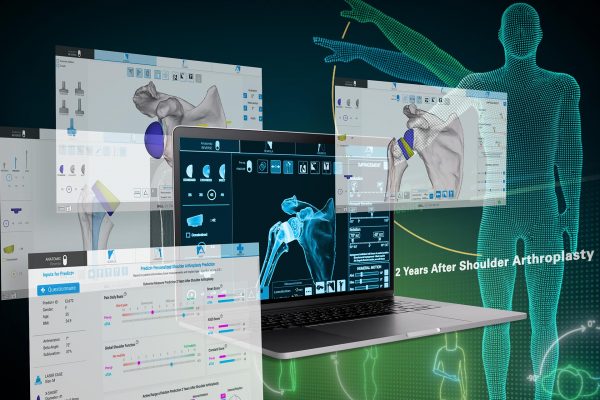
Computer navigation has been shown to be most effective while robotics, which shows promise, is relatively new to the field.5,6 Computer navigation has over six years of clinical use, offering improved precision with minimal additional cost or operative time.7
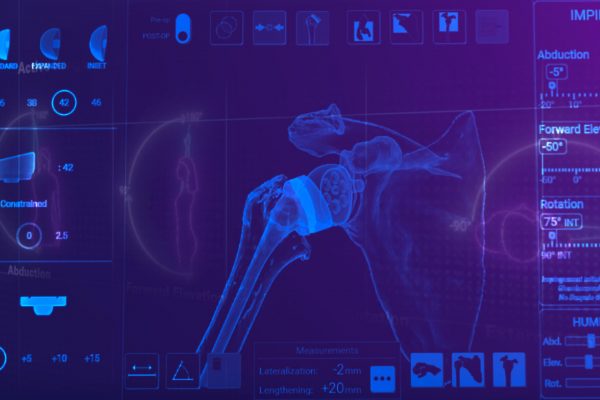
Does 3D shoulder planning give us any information?
Reverse shoulder arthroplasty: 3D planning for ROM prediction. Study on humeral stem design and patient factors impacting surgical outcomes.

Computer Navigation in Shoulder Arthroplasty
A Review of the Article by Emilie Cheung and Anna Ramakrishnan in Seminars in Arthroplasty by Peter Chalmers, MD.

Leveraging Data in Shoulder Arthroplasty
The goal of shoulder arthroplasty is to improve comfort and function for a variety of degenerative conditions. Shoulder surgeons who engage an increasingly complex array of clinical problems must understand the factors that may negatively impact results and lead to a higher risk of complications. A better understanding of risk factors will help not only educate patients about potential adverse outcomes, but it also leads to improved ways to mitigate complications by addressing their root cause where possible.
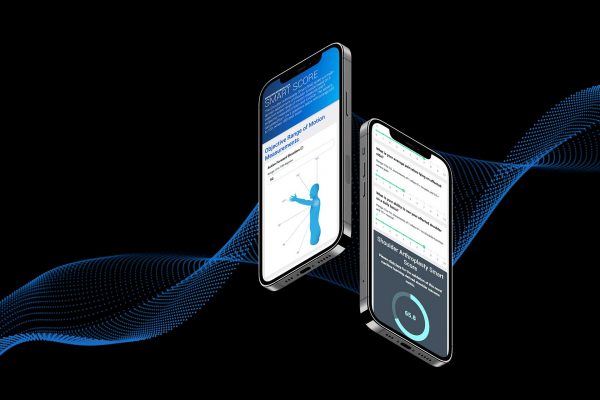
The World’s First Machine Learning-Derived Outcome Measure
Shoulder Arthroplasty Smart Score: The World’s First Machine Learning-Derived Outcome Measure | Surgeons and researchers worldwide can now quantify shoulder patient outcomes with a new, more efficient measure called “Smart Score”.
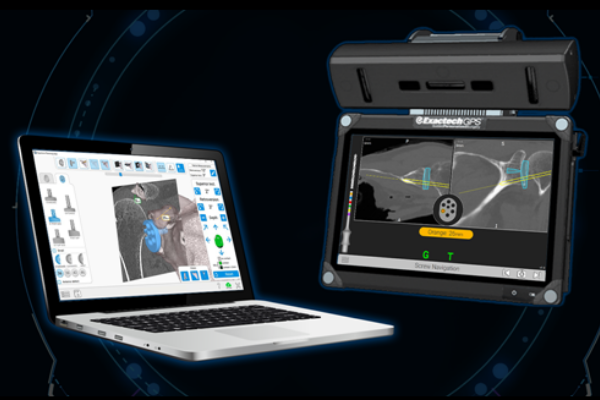
How GPS Navigation for Shoulder Arthroplasty Changed My Practice
As I look back on my career in orthopedics, the journey has not been one that I would have ever predicted. I completed a sports medicine/upper extremity fellowship in orthopedic…
Read More 
The Importance of Educating Patients on Expected Glenoid Wear and Consequences of Its Progression
Read complete study: Natural history of glenoid bone loss in primary glenohumeral osteoarthritis: how does bone loss progress over a decade? When it comes to shoulder arthritis, shoulder arthroplasty is…
Read More 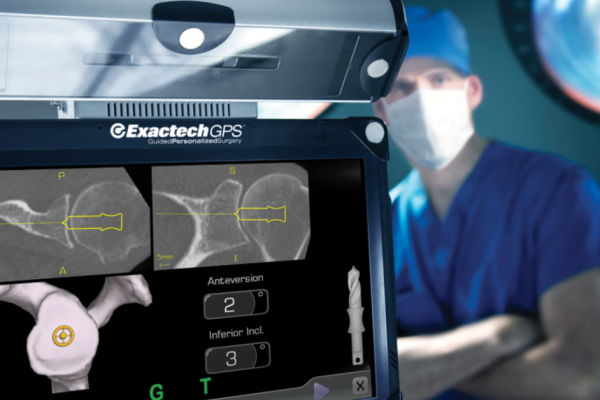
The Goal? Accurate Placement of the Glenoid Component.
Computer navigation leads to more accurate glenoid targeting during Total Shoulder Arthroplasty (TSA) compared with three-dimensional (3D) preoperative planning alone.

The Power of Data Collection
With 35 collection sites across the United States and Europe, the Equinoxe database includes information on demographics, comorbidities, implant specifics, 7 PROMs, ROM, radiographic data, and complications—all using standardized forms—for more than 10,000 shoulder cases. This multi-center collection using standardized forms creates the volume of evidence needed to produce the necessary statistical power for accurate analysis of the data.
Creating Efficiency in the O.R. with Streamlined Instrument Sets
The number of total joint replacements is growing rapidly, and the current trend suggests that the number of total joints performed will double by 2030.